Currently Empty: $0


This professional learning workshop is designed to support educators in developing a shared understanding of positive discipline as a relational, preventative, and educative approach to behavior. Grounded in research-informed frameworks and safeguarding principles, the workshop examines how adult responses, classroom systems, and emotional safety influence children’s behavior and learning.
Participants will explore conceptual models such as Maslow’s Hierarchy of Needs and the Iceberg Model of behavior to move beyond surface-level responses and identify underlying needs. Through case studies, role play, and reflective dialogue, educators will develop practical strategies for guiding behavior in ways that promote dignity, accountability, and long-term social–emotional growth.
The workshop also provides structured opportunities for collaboration and reflection, supporting participants in aligning discipline practices with school-wide expectations, safeguarding protocols, and children’s rights.
Training Structure
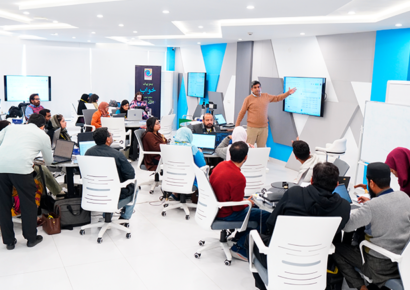
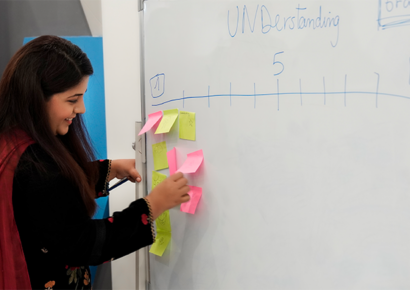
Hands-on learning experience:
✓ Guided modelling of positive discipline and educator language
✓ Analysis of real classroom behavior scenarios and case studies
✓ Behavior mapping using needs-based frameworks (Iceberg Model, Maslow)
✓ Role play and peer rehearsal of restorative and preventative strategies
✓ Collaborative reflection aligned to safeguarding and children’s rights
✓ Practical tools and guidance strategies that transfer immediately to the classroom
Impact and Alignment
By the end of this programme, participants transform into educators who: